The Hidden Signs of Emotionally Immature Adults
One of the hardest realities to accept in adulthood is that not everyone grows emotionally just because they are growing older. Emotional maturity is not measured by age, status, or appearance — it is reflected in communication, accountability, empathy, and the ability to handle conflict in healthy ways. Emotionally immature adults often avoid difficult conversations, shut down during disagreements, deflect blame, or disappear when accountability is required. Instead of expressing their feelings honestly, they may choose silence, distance, manipulation, or passive behavior. Relationships with these individuals can leave others feeling confused, emotionally drained, and constantly questioning where they stand.
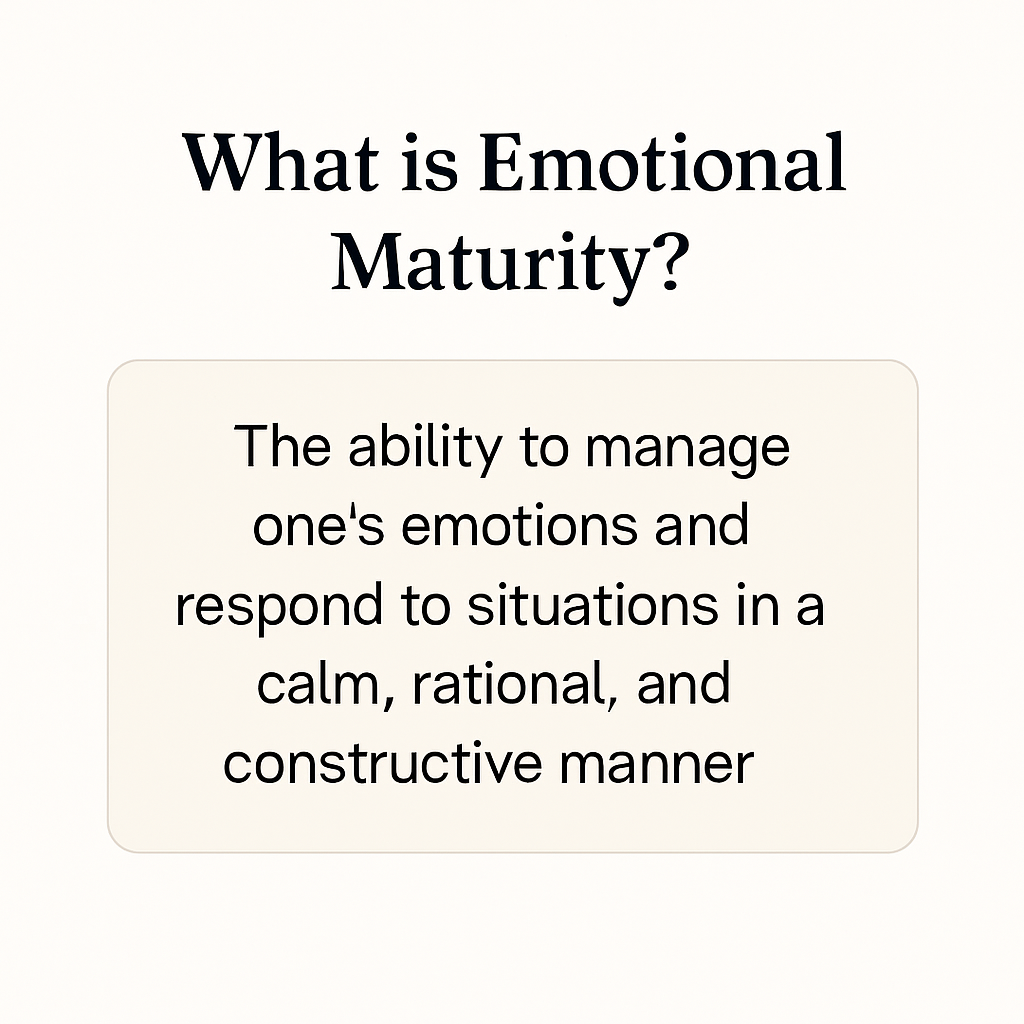
As adults, emotional growth requires humility, accountability, and the courage to communicate honestly even when conversations are uncomfortable. Relationships thrive when both people are willing to listen, reflect, apologize, and grow. But when emotional immaturity repeatedly replaces communication, accountability, and empathy, it becomes necessary to choose yourself. Protecting your emotional well-being is not selfish — it is wisdom. Some relationships are meant to teach us how to love better, while others are meant to teach us when to let go gracefully and move forward with peace.
Why Healthy Communication Requires Courage
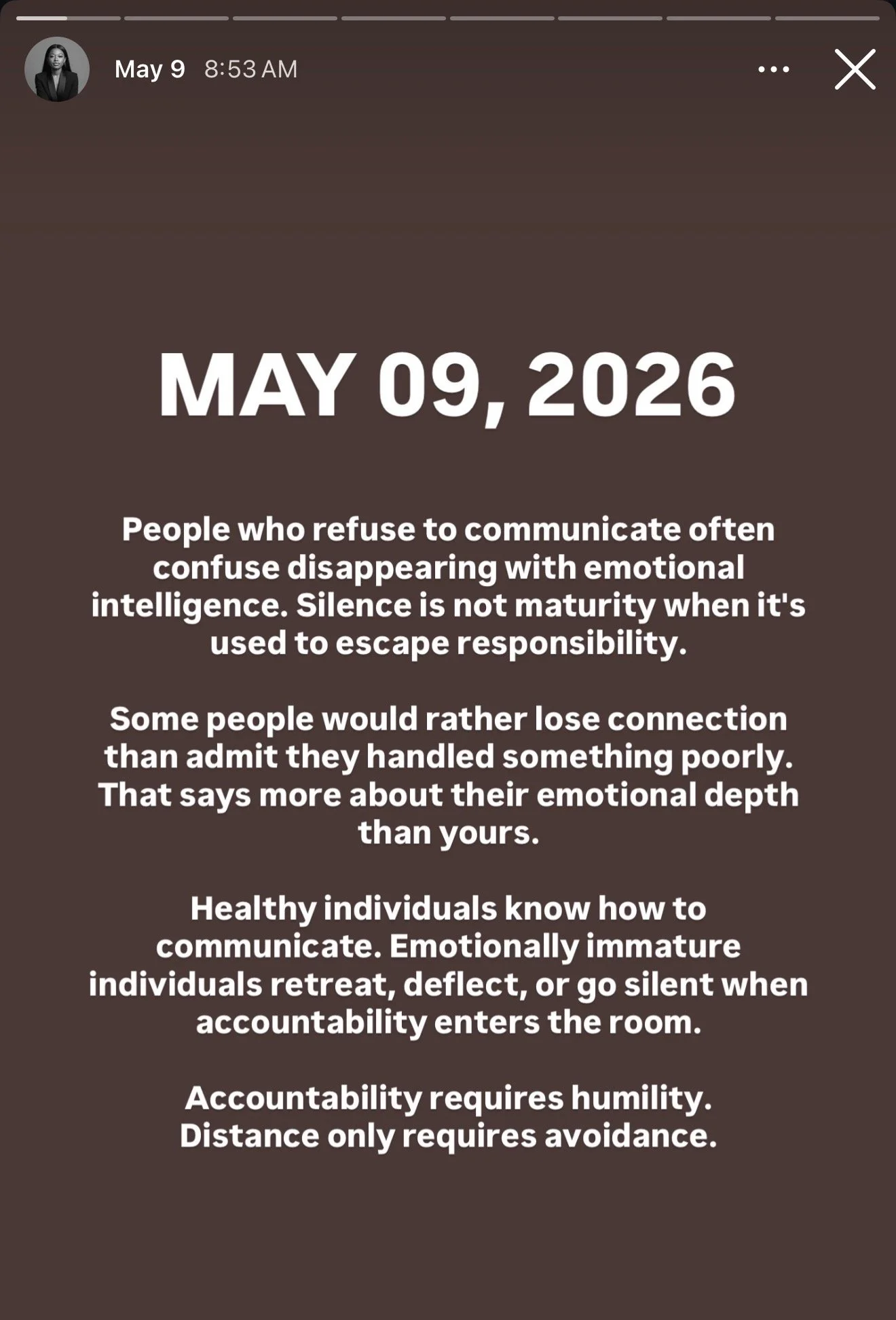
People who refuse to communicate often confuse disappearing with emotional intelligence. They believe silence protects them, when in reality it is often a way to escape responsibility. Some people would rather lose connection than admit they handled something poorly. That choice speaks louder than words and reveals more about their emotional depth than it does about yours. True maturity is not about knowing what to say — it is about having the courage to show up, own your part, and stay present even when conversations become uncomfortable.
Healthy individuals know how to communicate with honesty and respect. They do not retreat, deflect, or go silent the moment accountability enters the room. They understand that growth comes from facing difficult conversations instead of avoiding them. Accountability requires humility, not perfection. Distance used as a tool to avoid responsibility only creates more disconnection. Choose relationships with people who communicate clearly, take responsibility for their actions, and value the connection enough to work through difficult moments instead of running from them.
Instagram: @itzsassyashley
How to Spot Emotionally Immature Adults and Heal After the Relationship Ends
A major sign of emotional immaturity is inconsistency. Emotionally immature adults often say one thing and do another. They may avoid conflict by withdrawing instead of communicating, leaving the other person carrying the emotional burden of the relationship. Another common trait is their inability to apologize sincerely. Rather than reflecting on how their actions impacted someone else, they may minimize your feelings, shift blame, or make themselves the victim to avoid responsibility. Many emotionally immature individuals also struggle with empathy because empathy requires emotional depth, self-awareness, and accountability.
Another way to spot emotional immaturity is by paying attention to how someone handles discomfort. Mature individuals understand that hard conversations are a normal part of healthy relationships. Emotionally immature people, however, often see accountability as an attack. The moment conflict enters the room, they may retreat emotionally, ignore messages, become passive aggressive, or completely shut down communication. Their silence is often less about peace and more about avoidance. Instead of working through problems together, they create confusion, distance, and emotional instability.
For the person on the receiving end, these relationships can become emotionally draining very quickly. You may find yourself overexplaining, overthinking, constantly trying to “fix” the relationship, or blaming yourself for the disconnect. One of the healthiest things you can do is stop internalizing another person’s emotional limitations. Someone else’s inability to communicate, self-reflect, or take accountability is not a reflection of your worth. It is a reflection of where they are emotionally. A helpful tip is to pay attention to patterns instead of potential. Many people stay attached to who they hope someone will become instead of accepting who that person consistently shows themselves to be.
accept, heal, and move forward
Healing after a broken relationship with an emotionally immature person often begins with acceptance. Acceptance does not mean approving of how you were treated. It means acknowledging reality instead of fighting it. Some people simply do not have the emotional tools required to maintain healthy, emotionally safe relationships. Trying to force communication, closure, or accountability from someone unwilling to grow will only deepen emotional exhaustion. Closure sometimes comes from realizing that the relationship ended because you outgrew unhealthy emotional patterns, not because you were unworthy of love, friendship, or honesty.
Moving forward requires choosing yourself again. Set stronger boundaries, trust actions more than words, and stop chasing people who consistently avoid emotional responsibility. Healthy relationships are built on communication, consistency, empathy, and mutual effort. You deserve relationships where difficult conversations can happen without fear of abandonment, silence, or emotional punishment. Growth often begins the moment you stop begging for understanding from emotionally unavailable people and start giving yourself the love, clarity, and peace you were searching for in the relationship that could never provide it. Not every relationship is meant to last, but every relationship has the power to teach us something valuable about ourselves, our boundaries, and the kind of love we truly deserve. Sometimes healing begins not when the other person finally changes, but when you finally choose peace, self-respect, and emotional clarity over chasing closure from someone unwilling to grow.
Grow With Grace,
Ashley