When God’s Removal is an Answer to Your Prayer
DEALING WITH CODEPENDENT ADULTS
There’s a kind of heaviness that doesn’t come from your own struggles, but from what others try to place on you. Sometimes it shows up as friendships that feel more like obligations, relationships where love is confused with control, or people who need you to stay small so they can feel secure.
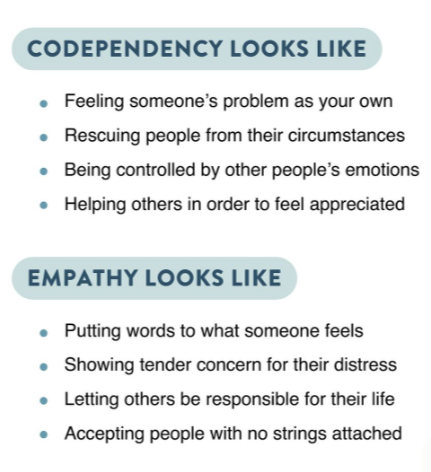
Some call it emotional attachment. Some call it codependency. Spiritually, it can feel like something clinging to you that was never meant to travel with you in the first place. Connection and attachment are two totally different things. Attachment is often mistaken for connection; THAT’S where things get unhealthy.
There are adults who never learned how to stand on their own emotionally. People who panic when you build other friendships, who feel threatened when you grow in confidence, and who interpret your independence as rejection. Their discomfort doesn’t come from your wrongdoing — it comes from their dependence, projection, abandonment issues, and past traumas.
Confidence, low self-esteem, and codependent tendencies can show up at any age. But maturity, emotional stability, and wisdom don’t automatically arrive with age either. Some people grow older without ever growing inwardly.
When you begin to heal, you start to notice the differences. You stop apologizing for having boundaries. You stop over-explaining your peace. You stop shrinking to make someone else feel secure.
And that’s often when the tension starts.
Sometimes those who relied on your emotional availability feel abandoned when you stop carrying what was never yours. They may withdraw, lash out, ignore you when you greet them, unfollow you from social media, or even cut you off entirely, believing they’re punishing you. But what they don’t realize is this: What feels like rejection to them can feel like answered prayer to you.
Because you didn’t ask God to remove people out of spite — you asked for clarity, for peace, for freedom from relationships that drained more than they poured. And sometimes the very separation that looks harsh on the outside is actually protection on the inside.
Mental health matters. Emotional responsibility matters. And it is not anyone’s duty to regulate a grown adult’s unchecked emotions or to shrink their life to soothe someone else’s insecurity. You can love people and still release them. You can like people and still release them. You can work with someone and still release them. You can wish someone well and still close the door behind you. You can forgive someone and still change your access to them. You can appreciate what was and still outgrow what is. You can support someone from a distance without carrying their weight. You can be kind without being available.
Surprisingly, the people I have experienced that have unhealthily attached themselves to me or have attempted to, are not my age. Sometimes people from an older generation attach themselves to you not out of love, but out of unresolved trauma and fear. Their sense of security comes from codependency—they need you to think like them, agree with them, and support them at all costs, whether they are right or wrong. When you begin to stand on your own, set boundaries, or form your own beliefs, it unsettles them because they rely on attachment to feel stable. What feels like loyalty to them is actually control, and what feels like independence to you feels like abandonment to them. You don’t lack care or compassion—you simply refuse to carry wounds that were never yours to heal.
You can pray for someone and still step back. You can wish them healing without volunteering to be their anchor. Growth requires space. Peace requires boundaries. And sometimes the most spiritual thing you can do is let go of what God is already loosening from your life.
When you begin to detach, respond with indifference, or stop feeding their need for constant closeness and validation, the shift is immediate. Your calm becomes a threat. Without access to your energy, they spiral into impulsive decisions, emotional outbursts, silent treatment, or childish behavior meant to regain control, seek attention, or provoke a reaction. What they call “distance” is really the loss of their emotional anchor. Instead of reflecting, they punish—because manipulation feels safer than self-awareness. In those moments, it becomes clear that maturity and emotional intelligence do not come with age; they come with accountability. Growth shows in the ability to respect boundaries, regulate emotions, and allow others to exist independently—without turning autonomy into betrayal.
A very good practice is learning to compartmentalize situations and, sometimes, even people. Not every “attachment” is meant to last. Some are only meant to teach you the power of release.
Until Next Time Beautiful People,
Ashley